

-
 Mail Usadmin1@hanghongtrade.com
-
 Call Us+8613313271100
-

Nov . 05, 2024 01:57 Back to list
design plumbing pipe manufacturers
Designing and Manufacturing Plumbing Pipes A Comprehensive Overview
Plumbing pipes are essential components of modern infrastructures, playing a pivotal role in the distribution of water and the removal of waste. The design and manufacturing of these pipes require a deep understanding of materials, engineering principles, and industry standards to ensure functional, durable, and reliable products.
Key Considerations in Pipe Design
When designing plumbing pipes, several factors must be considered. First and foremost is the material selection. Common materials include PVC (polyvinyl chloride), CPVC (chlorinated polyvinyl chloride), PEX (cross-linked polyethylene), copper, and galvanized steel. Each material has its own advantages and disadvantages, influencing everything from cost to installation ease, longevity, and resistance to corrosion and pressure.
Another critical aspect is the pipe diameter and wall thickness, which must be calculated to accommodate the expected flow rates and pressures. Miscalculations can lead to inadequate water supply or even pipe bursts. Furthermore, the design must comply with local plumbing codes and regulations, ensuring safety and functionality.
Manufacturing Processes
The manufacturing of plumbing pipes involves several processes, beginning with material preparation. For instance, PVC pipes are produced by heating and extruding polyvinyl chloride pellets into desired shapes. Quality control measures are essential during this phase to ensure consistent wall thickness and smooth internal surfaces.
design plumbing pipe manufacturers
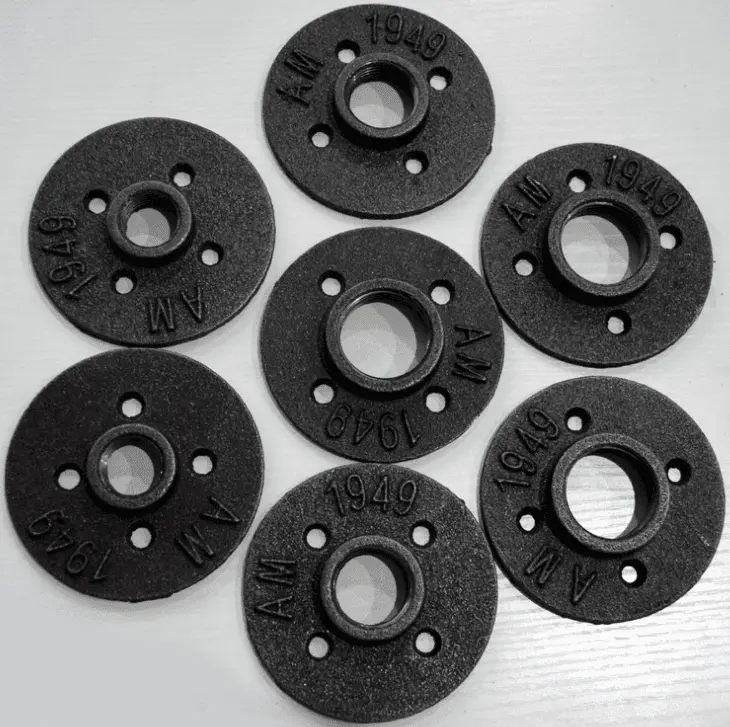
Additionally, the manufacturing process must also address joint fittings and connections. Techniques such as solvent welding for PVC, crimping for PEX, and soldering for copper pipes are employed to create secure and leak-proof connections.
Innovations in Plumbing Pipe Manufacturing
Advancements in technology have also influenced the design and manufacturing of plumbing pipes. For instance, the introduction of smart materials that can change properties in response to environmental conditions presents exciting possibilities for future plumbing systems. These innovations could lead to pipes that minimize leaks and reduce the need for repairs.
Furthermore, sustainable practices are becoming increasingly important in the industry. Manufacturers are now focusing on creating eco-friendly products, such as pipes made from recycled materials or those that can be recycled after their lifespan.
Conclusion
In conclusion, the design and manufacturing of plumbing pipes involve intricate processes that meld engineering, material science, and regulatory compliance. As technology evolves, so too will the methods of production and materials used, leading to more efficient, durable, and sustainable plumbing solutions. Whether for residential or commercial use, the future of plumbing pipes looks promising, ensuring that we continue to have robust systems for water management and waste disposal.
-
Heavy Duty 3/4" Industrial Pipe 'T' Shelf Brackets - Dark Grey Iron
NewsAug.27,2025
-
Black Floor Flange 1/2 for Furniture | Industrial Pipe Decor DIY
NewsAug.26,2025
-
Durable 1/2" 3/4" 1" Iron Threaded Floor Flange Wall Mount Pipe Fitting
NewsAug.25,2025
-
Black Malleable Cast Iron Floor Flange 1/2" BSPT, 3-Hole
NewsAug.22,2025
-
3/4 inch Black Finish Pipe Nipple for Home Decor & DIY
NewsAug.21,2025
-
3/4" Black Malleable Iron Floor Flange - Durable Pipe Fittings
NewsAug.19,2025


 English
 Afrikaans
 Albanian
 Amharic
 Arabic
 Armenian
 Azerbaijani
 Basque
 Belarusian
 Bengali
 Bosnian
 Bulgarian
 Catalan
 Cebuano
 Croatian
 Czech
 Danish
 Dutch Esperanto
 Estonian
 Finnish
 French
 Frisian
 Galician
 Georgian
 German
 Greek
 Gujarati
 Hebrew
 Hindi
 Hungarian
 Icelandic
 Indonesian
 Italian
 Japanese
 Kannada
 Kazakh
 Khmer
 Korean
 Kurdish
 Lao
 Latvian
 Lithuanian
 Macedonian
 Malay
 Malayalam
 Marathi
 Mongolian
 Myanmar
 Nepali
 Norwegian
 Pashto
 Persian
 Polish
 Portuguese
 Panjabi
 Romanian
 Russian
 Scottish Gaelic
 Serbian
 Sinhala
 Slovak
 Slovenian
 Spanish
 Swahili
 Swedish
 Tagalog
 Tamil
 Tatar
 Telugu
 Thai
 Turkish
 Ukrainian
 Urdu
 Uighur
 Uzbek
 Vietnamese
 Welsh