

High Quality Carbon Steel Wholesale Pipe Clamp Short Tee
Finding the right structural support for industrial piping or custom furniture requires a balance between mechanical strength and installation efficiency. The use of carbon steel components, specifically specialized fittings like short tees and clamps, provides the necessary rigidity for load-bearing applications while allowing for rapid assembly. Whether you are designing a high-pressure gas line or an industrial-style table base, the integrity of the joint determines the overall stability of the project.
For procurement managers and engineers, sourcing these components in bulk involves evaluating material standards and surface treatments to ensure longevity in diverse environments. By focusing on ANSI, JIS, and DIN standards, businesses can ensure cross-compatibility across global supply chains, reducing the risk of onsite fitment issues and minimizing downtime during installation.

Engineering the Foundations of Industrial Pipe Fitting Systems
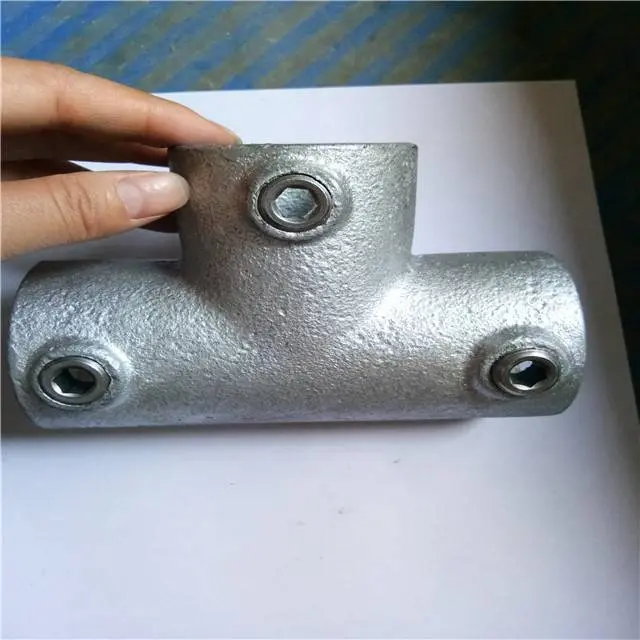
The structural integrity of any piping system relies heavily on the quality of its connection points. In the realm of metal fabrication, carbon steel is the preferred material due to its exceptional tensile strength and durability. When implementing a wholesale pipe clamp short tee solution, the primary goal is to create a secure, 90-degree branch connection that can withstand both static loads and operational vibrations without compromising the seal or the alignment.
Precision in manufacturing is critical. Adhering to international standards such as ASME and GOST ensures that threads—specifically NPT standards—fit perfectly, preventing leaks in fluid transport and instability in furniture construction. The manufacturing process involves rigorous casting and machining to ensure that the internal bore is smooth and the external dimensions are consistent across thousands of units, which is essential for large-scale infrastructure projects.
- Material Strength: High-grade carbon steel ensures maximum load capacity.
- Thread Accuracy: NPT and other international standards prevent cross-threading.
- Versatility: Suitable for gas, water, oil, and air services.

Optimizing Surface Treatments for Diverse Environmental Challenges
Environmental exposure is the greatest enemy of carbon steel. To combat oxidation and corrosion, selecting the appropriate surface treatment is non-negotiable. Black iron finishes are often utilized for indoor, dry environments or where an antique industrial aesthetic is required for furniture. However, for outdoor applications or humid industrial settings, galvanized coatings provide a sacrificial zinc layer that protects the base metal from rust.
The choice between black and galvanized treatments affects not only the lifespan of the component but also its compatibility with other materials. Galvanized fittings are essential in water transport systems to prevent internal scaling and external corrosion. In contrast, black fittings are frequently seen in gas lines and decorative architectural elements. Proper treatment ensures that the structural components maintain their mechanical properties over decades of service.
Beyond basic coatings, the pressure ratings—such as PN10 and PN16—dictate where these fittings can be safely deployed. A higher PN rating indicates the component's ability to handle increased internal pressure, making it suitable for specialized industrial machinery or high-pressure air lines.
Application Logic: From Industrial Infrastructure to Designer Furniture
The versatility of pipe fittings allows them to transition seamlessly from heavy industry to commercial interior design. In industrial settings, these components are used to build complex manifolds and support structures for oil and gas pipelines. The focus here is on pressure containment and leak prevention, where the precision of the tee joint is paramount to system safety.
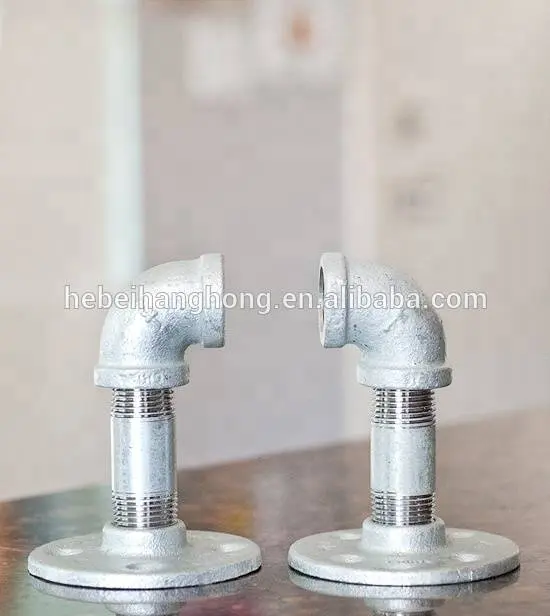
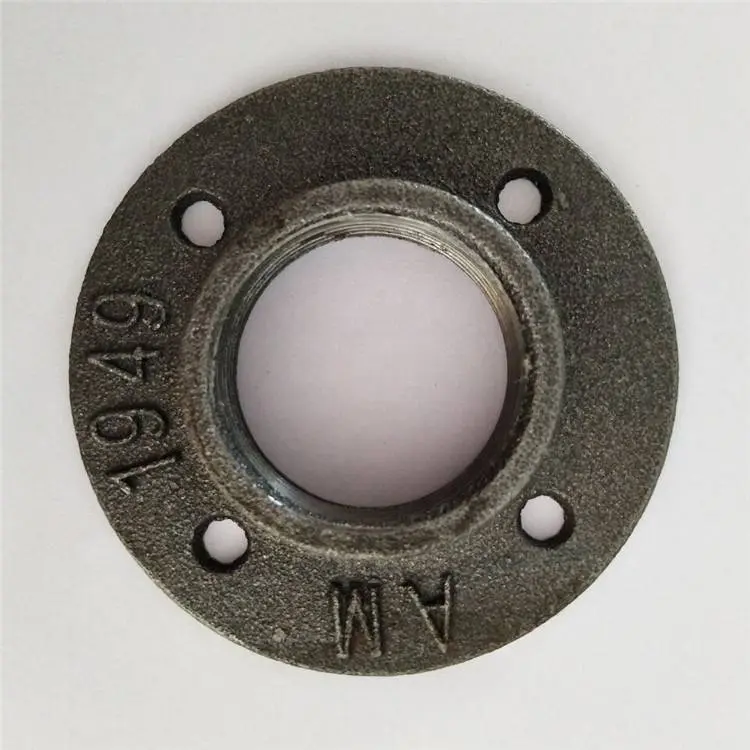
In the furniture industry, the "industrial look" has driven a massive demand for carbon steel fittings. By combining floor flanges, nipples, and short tees, designers create robust table bases, shelving units, and clothing racks. The structural logic remains the same: the fittings act as the "skeleton," providing a rigid framework that can support significant weight while offering an aesthetic appeal that combines raw strength with modern design.
Key application considerations include:
- Load Distribution: Ensuring the tee is positioned to distribute weight evenly.
- Installation Speed: Using standardized threads for fast, tool-based assembly.
- Aesthetic Consistency: Matching black or galvanized finishes across the entire assembly.
Technical Specification and Selection Matrix
| Evaluation Factor | Black Carbon Steel | Galvanized Steel | Pressure Rating | Recommended Use |
|---|---|---|---|---|
| Corrosion Resistance | Low/Moderate | High | PN10/PN16 | Indoor vs Outdoor |
| Load Bearing | Very High | Very High | معيار | Structural Support |
| Aesthetic Style | Industrial/Antique | Modern/Clean | N/A | Furniture Design |
| Installation Effort | Low (Threaded) | Low (Threaded) | N/A | Rapid Assembly |
| Standard Compliance | ANSI/DIN/JIS | ANSI/DIN/JIS | ASME/GOST | Global Procurement |
Procurement Strategies for Large-Scale Pipe Fitting Projects
When sourcing components for a large project, the focus shifts from individual part quality to supply chain consistency. A common mistake in bulk procurement is ignoring the tolerance levels of the threads. Even a slight deviation from NPT or DIN standards can lead to significant delays during installation. Therefore, working with manufacturers who hold ISO9001 and API certifications is critical to ensuring that the 1,000th piece is identical to the first.
Packaging and delivery logistics also play a vital role in cost management. For high-volume orders, utilizing palletized shipments or wooden cases prevents deformation during transit, ensuring that the fittings arrive ready for immediate use. Door-to-door delivery options simplify the logistics chain, allowing project managers to focus on assembly rather than freight coordination.
Suppliers capable of offering both carbon steel and stainless steel options provide a strategic advantage, allowing buyers to consolidate their orders and ensure a uniform quality standard across different material grades used within the same facility.
The Evolution of Modular Piping and Structural Fittings
The trend toward modularity is reshaping how industries approach piping and structural support. We are seeing a shift toward systems that can be reconfigured without the need for welding or permanent modifications. Threaded fittings and clamps are at the heart of this movement, providing a "plug-and-play" approach to industrial engineering.
Future developments are focusing on the fusion of traditional strength with advanced coatings. The integration of higher-grade alloys and hybrid surface treatments aims to extend the service life of components in extremely corrosive environments, such as chemical processing plants or offshore rigs. For the furniture sector, the focus remains on perfecting the "industrial-chic" balance, where the ruggedness of carbon steel is paired with high-end finishes.
Ultimately, the value of these components lies in their reliability. As global infrastructure ages, the demand for durable, standardized, and easily replaceable fittings will only grow, cementing the role of high-grade malleable and carbon steel components in both functional and aesthetic engineering.
Frequently Asked Questions Regarding Pipe Fittings
What is the difference between black and galvanized carbon steel fittings?
Black fittings are untreated carbon steel, making them ideal for gas lines and indoor decorative furniture. Galvanized fittings are coated in zinc to prevent rust, which is essential for water lines and outdoor structural applications.
Which thread standards are most common for international wholesale orders?
The most common standards include NPT (American), DIN (German), JIS (Japanese), and BS (British). Ensuring the fitting matches the pipe thread standard is crucial for a leak-proof seal.
Can these fittings be used for load-bearing furniture like tables?
Yes, carbon steel fittings are exceptionally strong and are widely used for industrial-style table bases and shelving due to their high tensile strength and stability.
What do PN10 and PN16 ratings mean for a pipe fitting?
PN stands for Nominal Pressure. PN10 indicates a maximum working pressure of 10 bar, while PN16 indicates 16 bar. Higher ratings are required for high-pressure industrial systems.
How should bulk pipe fittings be packaged to avoid damage?
For wholesale shipments, fittings are typically packed in cartons (e.g., 100pcs per carton) and then secured on pallets or in wooden cases to prevent shifting and impact damage during transit.
Are these fittings compatible with stainless steel pipes?
While they can be joined using threads, mixing carbon steel and stainless steel can lead to galvanic corrosion. For long-term use in corrosive environments, it is recommended to use fittings of the same material as the pipe.
Technical References and Industry Standards
- ASME - American Society of Mechanical Engineers Standards
- ISO - International Organization for Standardization
- API - American Petroleum Institute Specifications
- DIN - German Institute for Standardization
Selecting high-performance fittings is a critical step in ensuring the safety and longevity of any piping or structural project. By prioritizing certified materials and precise standards, you can achieve a professional result that stands the test of time.
Related Industrial Insights