

-
 Mailen Sie unsadmin1@hanghongtrade.com
-
 Rufen Sie uns an+8613313271100
-
- Afrikaans
- Albanian
- Amharic
- Arabic
- Armenian
- Azerbaijani
- Basque
- Belarusian
- Bengali
- Bosnian
- Bulgarian
- Catalan
- Cebuano
- Corsican
- Croatian
- Czech
- Danish
- Dutch
- English
- Esperanto
- Estonian
- Finnish
- French
- Frisian
- Galician
- Georgian
- German
- Greek
- Gujarati
- Haitian Creole
- hausa
- hawaiian
- Hebrew
- Hindi
- Miao
- Hungarian
- Icelandic
- igbo
- Indonesian
- irish
- Italian
- Japanese
- Javanese
- Kannada
- kazakh
- Khmer
- Rwandese
- Korean
- Kurdish
- Kyrgyz
- Lao
- Latin
- Latvian
- Lithuanian
- Luxembourgish
- Macedonian
- Malgashi
- Malay
- Malayalam
- Maltese
- Maori
- Marathi
- Mongolian
- Myanmar
- Nepali
- Norwegian
- Norwegian
- Occitan
- Pashto
- Persian
- Polish
- Portuguese
- Punjabi
- Romanian
- Russian
- Samoan
- Scottish Gaelic
- Serbian
- Sesotho
- Shona
- Sindhi
- Sinhala
- Slovak
- Slovenian
- Somali
- Spanish
- Sundanese
- Swahili
- Swedish
- Tagalog
- Tajik
- Tamil
- Tatar
- Telugu
- Thai
- Turkish
- Turkmen
- Ukrainian
- Urdu
- Uighur
- Uzbek
- Vietnamese
- Welsh
- Bantu
- Yiddish
- Yoruba
- Zulu

Jan. . 31, 2026 06:07 Zurück zur Liste
Understanding Wholesale First Center Pivot Irrigation System Design and Reliability
To be honest, things have been moving fast lately. Everyone’s talking about automation, you know? Not just in the factories, but right on the site. It's all about getting more done with less manpower. I've seen a lot of companies trying to jump on that bandwagon, but a lot of them…well, they’re overlooking the basics. They’re so focused on the ‘smart’ stuff, they forget about making something that just works.
Have you noticed how everyone’s obsessed with lightweight materials these days? It’s a good thing, I guess, less strain on the guys, but sometimes they compromise too much on durability. I encountered this at a factory in Ningbo last time, they were boasting about their new polymer blend, super light, super strong… but the moment you dropped a wrench on it, it cracked. Cracking! You can't build anything lasting with that.
And the designs… oh, the designs. So many engineers, fresh out of school, thinking they’ve reinvented the wheel. They overcomplicate things. Simple is always better, especially when you’re dealing with guys who’ve been doing this for twenty years. They don’t want to learn a new system just because some designer thought it looked ‘sleek’.
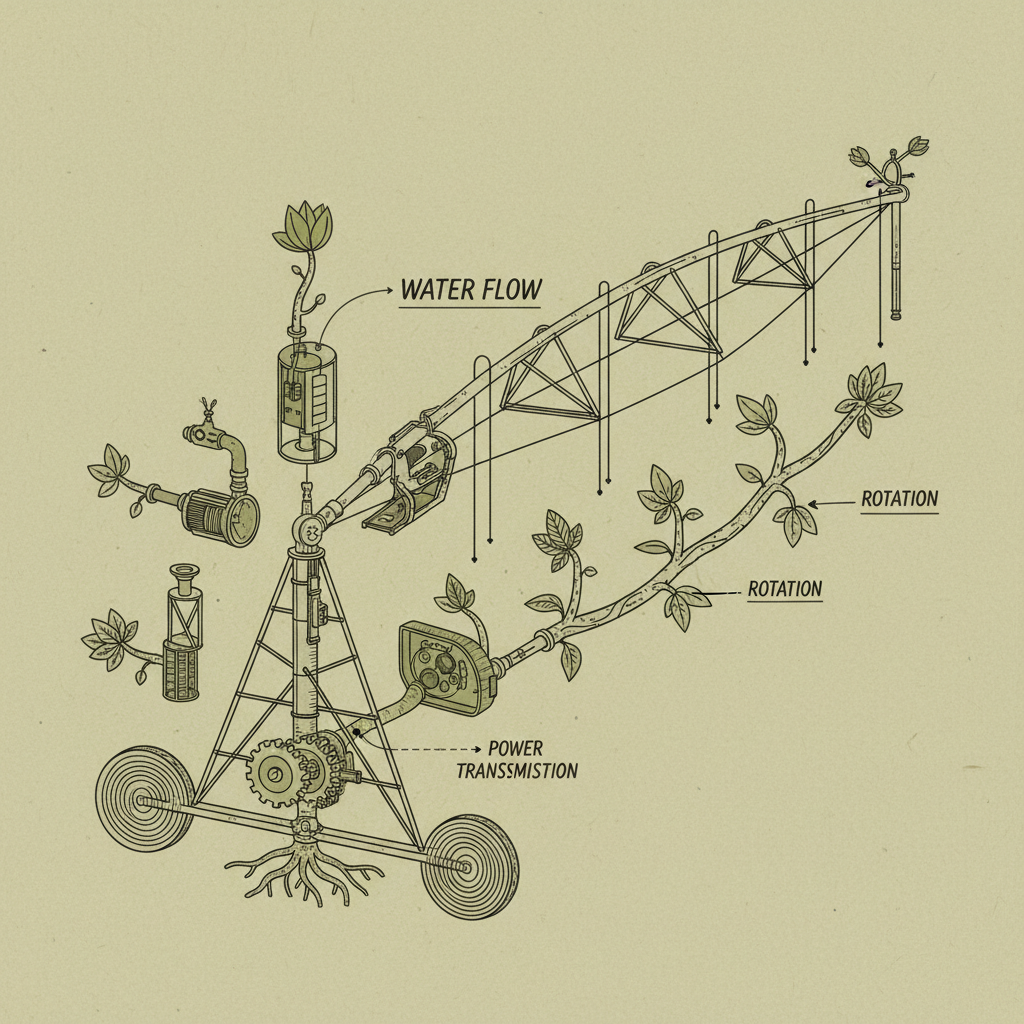
The Rise of Automated Irrigation
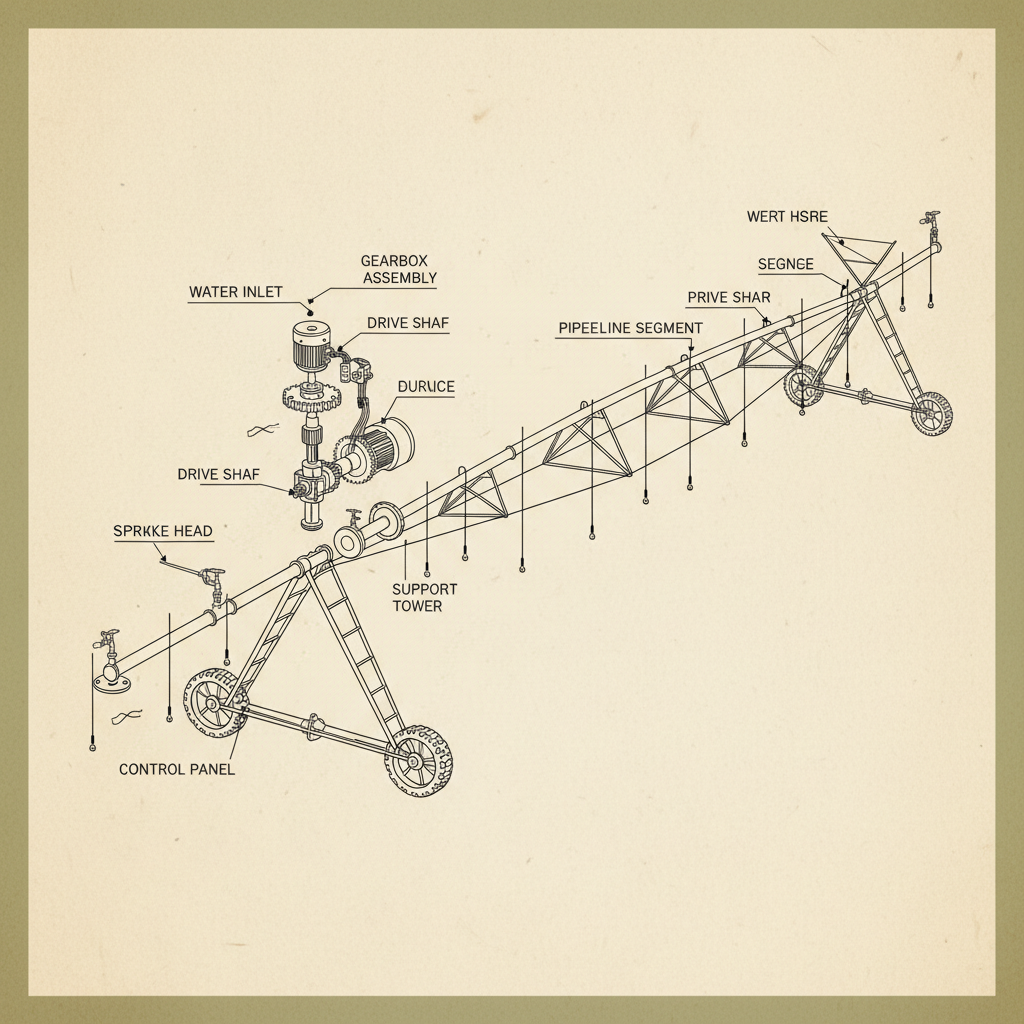
These days, you can’t swing a wrench without hitting a "smart" center pivot system. Variable rate irrigation, remote monitoring, soil sensors… the works. It's definitely a step up from manually adjusting nozzles, believe me. I remember when we were all out there, trudging through the fields, trying to get the water distribution just right. It was a headache. But it's not all sunshine and roses, you know? A lot of these systems rely on good internet connectivity, which… well, let's just say it's not always reliable in rural areas.
And frankly, some of the software is clunky. I’ve talked to farmers who spend more time troubleshooting the app than actually managing their irrigation. It's supposed to save time, not add to it. Anyway, I think the biggest benefit is the water savings. Especially in drought-prone areas, being able to precisely target water where it's needed most is a game-changer.
FAQS
Typically, failures stem from a combination of factors: inadequate maintenance leading to worn components, water quality issues causing nozzle clogging, and electrical problems affecting motor operation. Environmental conditions – like harsh winds or freezing temperatures – can also contribute. Preventative maintenance is crucial, especially regular inspections and lubrication.
I'd recommend a thorough inspection at least twice a year – once before the start of the irrigation season and again after it ends. During these inspections, check all nozzles for clogging or damage, inspect the tower supports for corrosion or bending, verify motor operation, and examine the control panel for any issues. It's also important to visually inspect the entire system while it’s running to catch any unusual noises or movements.
The best defense against clogging is a good offense: invest in a robust filtration system for your water source. Regularly flush the system to remove accumulated sediment. Consider using self-cleaning nozzles, which are designed to prevent buildup. And finally, periodically inspect and clean the nozzles manually, especially if you notice reduced flow or uneven water distribution.
Absolutely, but it can be tricky. Compatibility is the biggest hurdle. Older systems might not have the necessary electrical infrastructure or sensors to support modern automation features. A professional assessment is essential to determine what upgrades are needed and whether the cost justifies the benefits. Sometimes, it's more economical to replace the entire system rather than retrofit it.
Maintenance costs vary significantly based on the size and complexity of the system, as well as the local labor rates. Expect to spend around 5-10% of the initial system cost annually on maintenance. This includes things like nozzle replacement, motor lubrication, bearing repairs, and electrical checks. Larger systems will naturally have higher maintenance costs.
Terrain plays a huge role. Uneven ground puts extra stress on the tower supports and pivot point, increasing the risk of structural failure. Slopes can also cause uneven water distribution. Proper installation and leveling are critical, and you might need to consider using systems with more flexible tower designs to accommodate challenging terrain. Regular inspections are even more important on uneven ground.
Conclusion
So, where does that leave us? These wholesale first center pivot irrigation systems are a game changer, no doubt. They’ve increased efficiency, reduced labor, and helped farmers produce more food with less water. But it’s not just about the technology. It’s about understanding the fundamentals—material science, structural integrity, and the real-world needs of the people who use them.
Looking ahead, I think we’ll see even more integration of data analytics and artificial intelligence. Systems that can predict failures before they happen, optimize water use based on real-time conditions, and even self-diagnose problems. But at the end of the day, all the fancy tech in the world won’t matter if the system isn’t built to last. Ultimately, whether this thing works or not, the worker will know the moment he tightens the screw.
-
High Quality Durable wholesale 3/4 black cast iron outlet tee
NachrichtSep.29,2026
-
High Quality Wholesale Side Outlet Tee Black Malleable Iron Fittings
NachrichtSep.18,2026
-
High Quality Industrial Wholesale Two Socket Cross Key Clamp
NachrichtSep.14,2026
-
High Quality Wholesale Galvanized Cast Iron Elbow Fittings
NachrichtSep.05,2026
-
High Quality wholesale malleable nipple for Industrial Piping
NachrichtSep.01,2026
-
Buy Premium Wholesale Industrial Black Iron Pipe Fittings Online
NachrichtAug.28,2026


 German
 Afrikaans
 Albanian
 Amharic
 Arabic
 Armenian
 Azerbaijani
 Basque
 Belarusian
 Bengali
 Bosnian
 Bulgarian
 Catalan
 Cebuano
 Croatian
 Czech
 Danish
 Dutch
 English Esperanto
 Estonian
 Finnish
 French
 Frisian
 Galician
 Georgian
 Greek
 Gujarati
 Hebrew
 Hindi
 Hungarian
 Icelandic
 Indonesian
 Italian
 Japanese
 Kannada
 Kazakh
 Khmer
 Korean
 Kurdish
 Lao
 Latvian
 Lithuanian
 Macedonian
 Malay
 Malayalam
 Marathi
 Mongolian
 Myanmar
 Nepali
 Norwegian
 Pashto
 Persian
 Polish
 Portuguese
 Panjabi
 Romanian
 Russian
 Scottish Gaelic
 Serbian
 Sinhala
 Slovak
 Slovenian
 Spanish
 Swahili
 Swedish
 Tagalog
 Tamil
 Tatar
 Telugu
 Thai
 Turkish
 Ukrainian
 Urdu
 Uighur
 Uzbek
 Vietnamese
 Welsh