

-
 Mail eisadmin1@hanghongtrade.com
-
 Rufft eis un+8613313271100
-
- Afrikaans
- Albanian
- Amharic
- Arabic
- Armenian
- Azerbaijani
- Basque
- Belarusian
- Bengali
- Bosnian
- Bulgarian
- Catalan
- Cebuano
- Corsican
- Croatian
- Czech
- Danish
- Dutch
- English
- Esperanto
- Estonian
- Finnish
- French
- Frisian
- Galician
- Georgian
- German
- Greek
- Gujarati
- Haitian Creole
- hausa
- hawaiian
- Hebrew
- Hindi
- Miao
- Hungarian
- Icelandic
- igbo
- Indonesian
- irish
- Italian
- Japanese
- Javanese
- Kannada
- kazakh
- Khmer
- Rwandese
- Korean
- Kurdish
- Kyrgyz
- Lao
- Latin
- Latvian
- Lithuanian
- Luxembourgish
- Macedonian
- Malgashi
- Malay
- Malayalam
- Maltese
- Maori
- Marathi
- Mongolian
- Myanmar
- Nepali
- Norwegian
- Norwegian
- Occitan
- Pashto
- Persian
- Polish
- Portuguese
- Punjabi
- Romanian
- Russian
- Samoan
- Scottish Gaelic
- Serbian
- Sesotho
- Shona
- Sindhi
- Sinhala
- Slovak
- Slovenian
- Somali
- Spanish
- Sundanese
- Swahili
- Swedish
- Tagalog
- Tajik
- Tamil
- Tatar
- Telugu
- Thai
- Turkish
- Turkmen
- Ukrainian
- Urdu
- Uighur
- Uzbek
- Vietnamese
- Welsh
- Bantu
- Yiddish
- Yoruba
- Zulu

Apr . 24, 2026 12:05 Zréck op d'Lëscht
High Quality Industrial Wholesale Forged Tee for Piping Systems
In the demanding world of industrial piping, the procurement of high-quality components is not merely a logistics concern but a critical safety mandate. The shift toward wholesale forged tee solutions has revolutionized how engineers and procurement managers approach high-pressure system design, moving away from fragile castings toward superior forged integrity.
Global infrastructure demands—from petrochemical refineries to sophisticated urban water management—require fittings that can withstand extreme thermal cycling and corrosive environments. By leveraging wholesale forged tee options, industries can ensure structural uniformity and a drastic reduction in leak-related downtime, which is essential for maintaining operational continuity.
Understanding the technical nuances of forging versus casting is the first step in optimizing any piping network. This guide explores the global impact, material advantages, and strategic sourcing of wholesale forged tee components, providing a comprehensive roadmap for those seeking to balance cost-efficiency with uncompromising industrial standards.
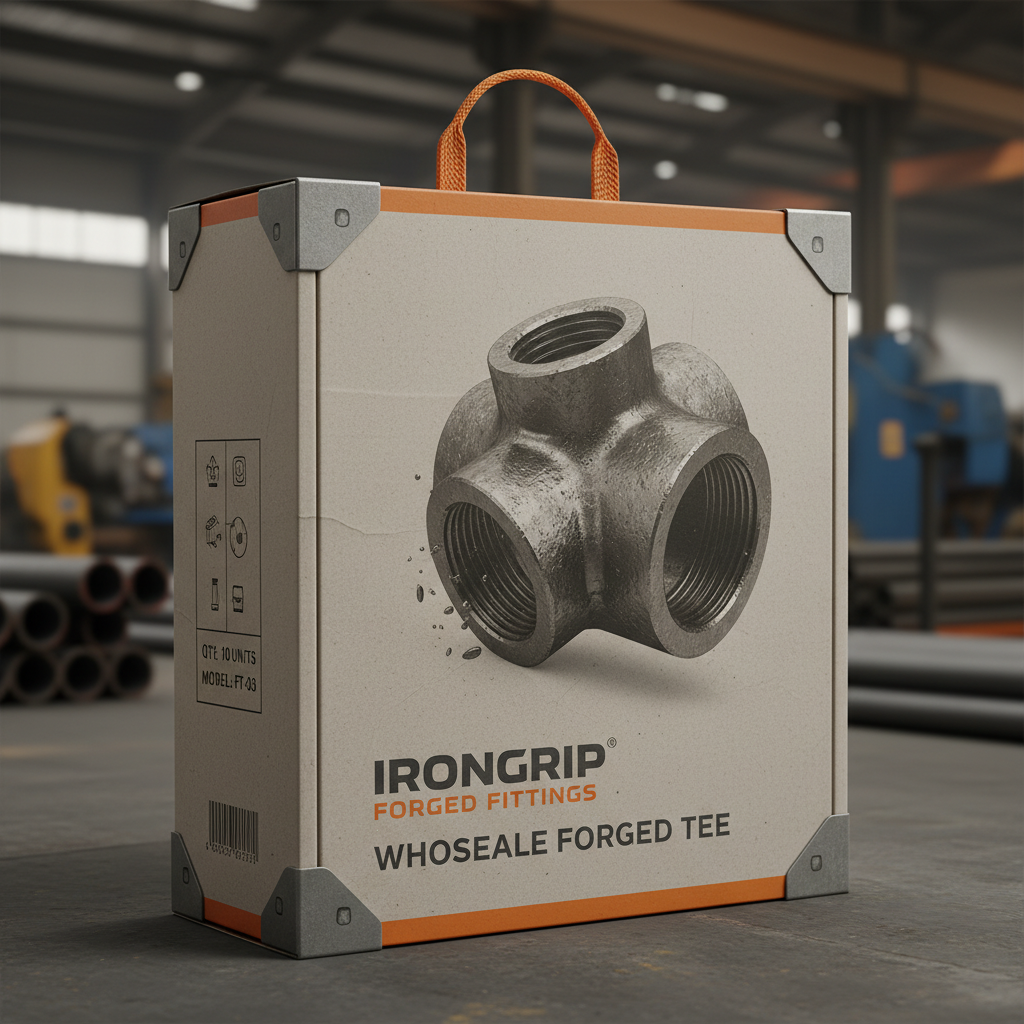
Global Relevance of Wholesale Forged Tee
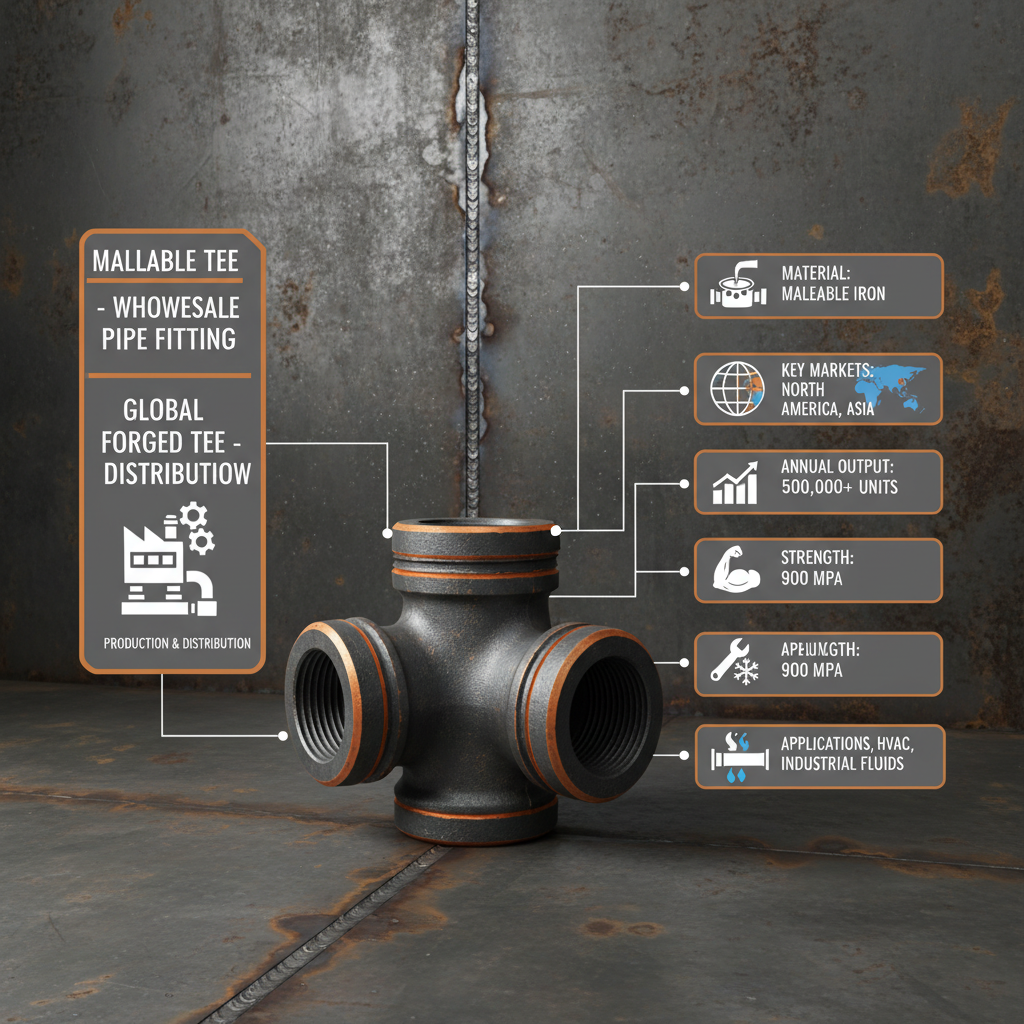
On a global scale, the reliance on wholesale forged tee components is driven by the rigorous requirements of ISO and ASME standards. As emerging economies expand their industrial footprints, the demand for piping that avoids the porosity inherent in cast iron has surged, leading to a centralized shift toward forged solutions that offer predictable mechanical properties.
The challenge facing many global projects is the "failure cost"—the astronomical price of a single leak in a high-pressure steam line or a chemical conduit. By sourcing forged tees in bulk, organizations can standardize their hardware, ensuring that every joint in a thousand-mile pipeline meets the same exacting stress-test criteria, thereby mitigating the risk of catastrophic structural failure.
FAQS
The primary difference lies in the manufacturing process. Cast tees are made by pouring molten metal into a mold, which can leave internal air bubbles or "porosity." In contrast, a wholesale forged tee is mechanically pressed, which compresses the metal and aligns the grain structure. This results in a much stronger part with higher pressure ratings and better resistance to mechanical stress and fatigue.
Yes, absolutely. Depending on the material—such as Alloy Steel or Stainless Steel—forged tees are specifically designed to handle thermal expansion and contraction without cracking. Their dense structure prevents the microscopic fissures that often occur in cast fittings when subjected to extreme heat cycling, making them the standard for power plant and boiler applications.
The most reliable method is to request a Mill Test Report (MTR). An MTR provides a chemical analysis of the heat and the mechanical properties (tensile strength, yield strength, and elongation) of the batch. Additionally, ultrasonic testing or X-ray inspection can be used to confirm that there are no internal voids, ensuring the "forged" claim is authentic.
While the unit price of a forged tee is higher than a cast one, wholesale procurement reduces the overall project cost by lowering shipping fees and eliminating the need for frequent replacements. Furthermore, the reduced risk of leaks and system downtime provides a long-term financial advantage that far outweighs the initial investment in high-grade forged hardware.
The most common materials include ASTM A105 Carbon Steel for general industrial use, 304 and 316 Stainless Steel for corrosion resistance and hygiene, and various Chrome-Moly alloy steels for ultra-high temperature and pressure environments. The choice depends entirely on the medium being transported and the environmental conditions of the installation.
While they can be used, they are typically "over-engineered" for standard residential needs. However, for high-end custom homes with complex hydronic heating systems or industrial-style aesthetics, wholesale forged tees are used for their superior strength and clean, professional finish compared to standard malleable iron fittings.
Conclusion
In summary, the adoption of wholesale forged tee components represents a strategic move toward industrial reliability, safety, and long-term sustainability. By prioritizing material density and grain alignment over the convenience of casting, industries can virtually eliminate the risk of joint failure in high-pressure systems. From the precise requirements of pharmaceutical labs to the rugged demands of oil refineries, the forged tee stands as the gold standard for fluid distribution.
Looking ahead, the integration of smart manufacturing and eco-friendly forging processes will only enhance the value proposition of these critical components. For procurement managers and engineers, the recommendation is clear: standardize your systems with certified forged fittings to ensure operational excellence. To explore our full range of industrial piping solutions and secure high-quality components for your next project, visit our website: www.hhomedecor.com
-
High Quality Durable wholesale 3/4 black cast iron outlet tee
NeiegkeetenSep.29,2026
-
High Quality Wholesale Side Outlet Tee Black Malleable Iron Fittings
NeiegkeetenSep.18,2026
-
High Quality Industrial Wholesale Two Socket Cross Key Clamp
NeiegkeetenSep.14,2026
-
High Quality Wholesale Galvanized Cast Iron Elbow Fittings
NeiegkeetenSep.05,2026
-
High Quality wholesale malleable nipple for Industrial Piping
NeiegkeetenSep.01,2026
-
Buy Premium Wholesale Industrial Black Iron Pipe Fittings Online
NeiegkeetenAug.28,2026


 Afrikaans
 Albanian
 Amharic
 Arabic
 Armenian
 Azerbaijani
 Basque
 Belarusian
 Bengali
 Bosnian
 Bulgarian
 Catalan
 Cebuano
 Croatian
 Czech
 Danish
 Dutch
 English Esperanto
 Estonian
 Finnish
 French
 Frisian
 Galician
 Georgian
 German
 Greek
 Gujarati
 Hebrew
 Hindi
 Hungarian
 Icelandic
 Indonesian
 Italian
 Japanese
 Kannada
 Kazakh
 Khmer
 Korean
 Kurdish
 Lao
 Latvian
 Lithuanian
 Macedonian
 Malay
 Malayalam
 Marathi
 Mongolian
 Myanmar
 Nepali
 Norwegian
 Pashto
 Persian
 Polish
 Portuguese
 Panjabi
 Romanian
 Russian
 Scottish Gaelic
 Serbian
 Sinhala
 Slovak
 Slovenian
 Spanish
 Swahili
 Swedish
 Tagalog
 Tamil
 Tatar
 Telugu
 Thai
 Turkish
 Ukrainian
 Urdu
 Uighur
 Uzbek
 Vietnamese
 Welsh