

-
 Re ngolleadmin1@hanghongtrade.com
-
 Re Letsetse+8613313271100
-
- Afrikaans
- Albanian
- Amharic
- Arabic
- Armenian
- Azerbaijani
- Basque
- Belarusian
- Bengali
- Bosnian
- Bulgarian
- Catalan
- Cebuano
- Corsican
- Croatian
- Czech
- Danish
- Dutch
- English
- Esperanto
- Estonian
- Finnish
- French
- Frisian
- Galician
- Georgian
- German
- Greek
- Gujarati
- Haitian Creole
- hausa
- hawaiian
- Hebrew
- Hindi
- Miao
- Hungarian
- Icelandic
- igbo
- Indonesian
- irish
- Italian
- Japanese
- Javanese
- Kannada
- kazakh
- Khmer
- Rwandese
- Korean
- Kurdish
- Kyrgyz
- Lao
- Latin
- Latvian
- Lithuanian
- Luxembourgish
- Macedonian
- Malgashi
- Malay
- Malayalam
- Maltese
- Maori
- Marathi
- Mongolian
- Myanmar
- Nepali
- Norwegian
- Norwegian
- Occitan
- Pashto
- Persian
- Polish
- Portuguese
- Punjabi
- Romanian
- Russian
- Samoan
- Scottish Gaelic
- Serbian
- Sesotho
- Shona
- Sindhi
- Sinhala
- Slovak
- Slovenian
- Somali
- Spanish
- Sundanese
- Swahili
- Swedish
- Tagalog
- Tajik
- Tamil
- Tatar
- Telugu
- Thai
- Turkish
- Turkmen
- Ukrainian
- Urdu
- Uighur
- Uzbek
- Vietnamese
- Welsh
- Bantu
- Yiddish
- Yoruba
- Zulu

Jan . 30, 2026 06:07 Khutlela lethathamong
High Quality Wholesale Pipe Fittings Cast Iron Flange for Industrial Applications
Honestly, the demand for cast iron flange wholesale pipe fittings is… well, it’s been steadily climbing. Not a surprise, really. Everyone’s building something, and they need reliable connections. Seems like yesterday we were all scrambling for PVC, now it's back to the old reliable, cast iron. There’s a durability to it, you know? You can feel it. I’ve been on sites where guys are still using flanges my grandfather probably helped install. It's a good feeling, knowing something you’re working with will last.
But you gotta watch out for the details. Have you noticed how often people mess up the threading? It's the little things, right? A slightly off angle, a burr left from machining… and suddenly you’ve got a leak waiting to happen. I encountered this at a factory in Ningbo last time; they were rushing production and the quality control was… questionable.
It’s a deceptively simple component, this flange. But it’s the backbone of so many systems. Water, gas, even some industrial processes. And the raw material… that's a whole other story. The cast iron itself, it has this… earthy smell when you first get it. A little gritty to the touch. You can tell a good pour from a bad one just by looking at the surface – a smooth, consistent texture, no air bubbles. It’s heavy, too. Really heavy. Makes a good paperweight, if you’re into that sort of thing. And the weight… that’s part of what gives it its strength. Anyway, I think that’s enough about the smell.
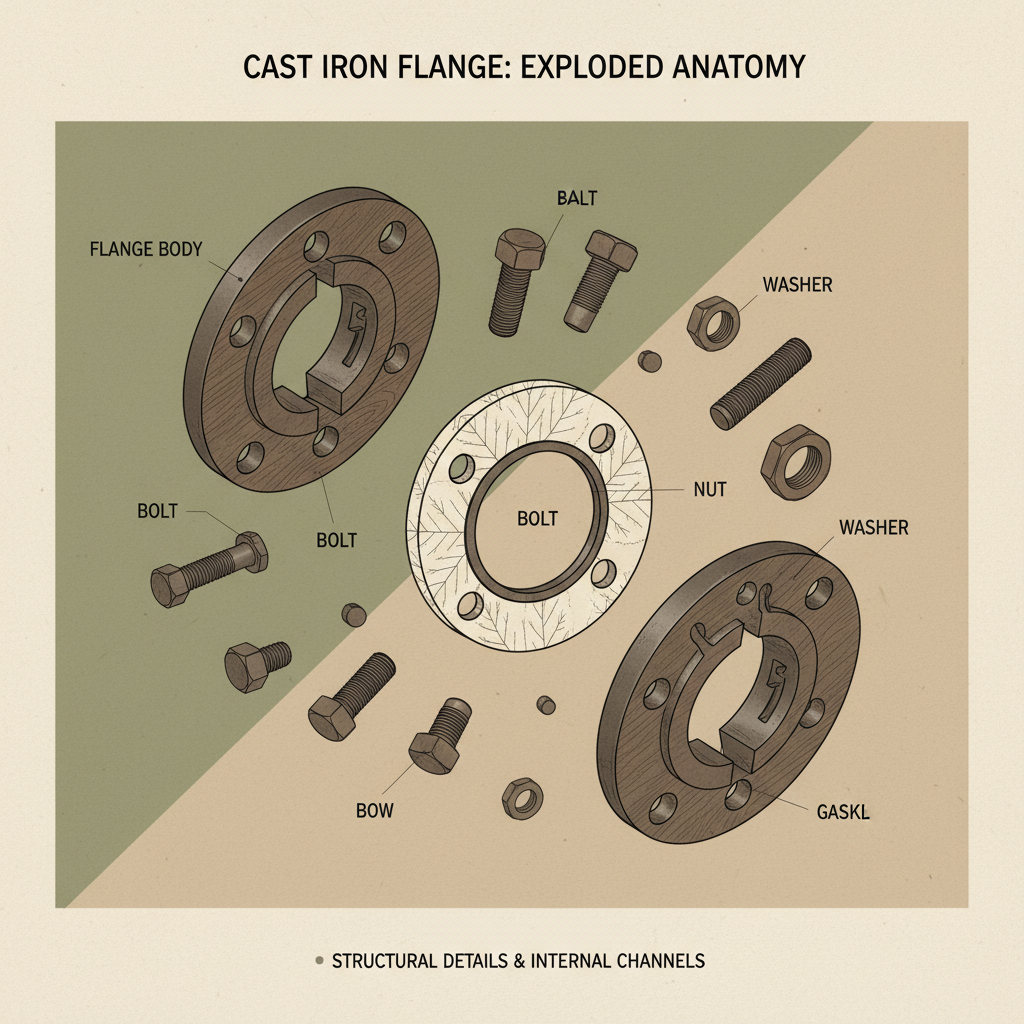
The Rising Demand for Wholesale Pipe Fittings Cast Iron Flange
Strangely enough, a lot of the push is coming from the renovation market. People are fixing up older buildings, and they want the cast iron. It just looks…solid. Plus, it matches the existing infrastructure. Replacing it with plastic? No way. It feels cheap.
I’ve also noticed a surge in demand from smaller breweries and distilleries. They’re often working with older equipment, and need authentic replacement parts. It's not just about aesthetics, either. Cast iron handles the temperature fluctuations and pressures better than a lot of the alternatives.
FAQS
Lead times vary greatly depending on the size of the order, the complexity of the specifications, and current foundry capacity. Generally, for standard flanges, we can deliver within 4-6 weeks. However, customized orders or large volumes (over 5000 units) can take 8-12 weeks or longer. It's best to provide us with detailed requirements and quantities to get an accurate quote and timeline. We factor in material sourcing, casting, machining, quality control, and shipping.
Yes, cast iron flanges can be adapted for use with various piping materials, but compatibility needs careful consideration. Transition fittings are typically used to connect cast iron to PVC or steel. For PVC, you'd employ a PVC adapter flange. For steel, a steel adapter flange with appropriate welding or threading is needed. Ensuring a proper seal is crucial; select gaskets compatible with both the flange material and the pipe material to prevent leaks and corrosion.
For cast iron flanges exposed to saltwater, a robust coating is essential. Epoxy coatings are highly recommended due to their excellent resistance to corrosion. Another option is hot-dip galvanizing, which provides a zinc coating that protects the iron from rust. Polyurethane coatings also offer good protection, but may require more frequent reapplication. It’s vital to ensure the coating is applied correctly, including proper surface preparation, to maximize its effectiveness.
Quality control is paramount. We have a multi-stage process starting with raw material inspection, followed by in-process checks during casting and machining. Dimensions are verified using precision measuring instruments, and flaws are detected through visual inspection and non-destructive testing methods like dye penetrant inspection. Finally, we perform hydrostatic pressure testing to ensure each flange meets the specified pressure rating. Records are meticulously maintained for traceability.
Yes, we provide custom machining services for cast iron flanges. We can modify existing flanges or create new ones according to your specifications. This includes alterations to bolt hole patterns, flange facings, and the addition of threads or ports. We work with CAD/CAM software to ensure accuracy, and our experienced machinists can handle a wide range of materials and tolerances.
Gray cast iron is brittle and provides good damping properties, making it suitable for applications where vibration is a concern. It’s less expensive but has lower tensile strength. Ductile cast iron, also known as nodular cast iron, is much tougher and more ductile due to the presence of spheroidal graphite. It’s used when higher strength and impact resistance are required, such as in high-pressure systems or applications subject to shock loading.
Conclusion
Ultimately, wholesale pipe fittings cast iron flange are deceptively simple components that play a crucial role in countless industries. From ensuring reliable water supply to supporting complex industrial processes, their durability and adaptability make them a cornerstone of modern infrastructure. The key is understanding the nuances – the material grades, the coatings, the proper installation techniques.
And honestly? Whether this thing works or not, the worker will know the moment he tightens the screw. That’s the bottom line. We can talk about specs and standards all day, but at the end of the day, it’s about real-world performance and reliability. Visit our website at hhomedecor.com to explore our range of wholesale pipe fittings cast iron flange and find the perfect solution for your needs.
-
High Quality Durable wholesale 3/4 black cast iron outlet tee
LitabaSep.29,2026
-
High Quality Wholesale Side Outlet Tee Black Malleable Iron Fittings
LitabaSep.18,2026
-
High Quality Industrial Wholesale Two Socket Cross Key Clamp
LitabaSep.14,2026
-
High Quality Wholesale Galvanized Cast Iron Elbow Fittings
LitabaSep.05,2026
-
High Quality wholesale malleable nipple for Industrial Piping
LitabaSep.01,2026
-
Buy Premium Wholesale Industrial Black Iron Pipe Fittings Online
LitabaAug.28,2026


 Afrikaans
 Albanian
 Amharic
 Arabic
 Armenian
 Azerbaijani
 Basque
 Belarusian
 Bengali
 Bosnian
 Bulgarian
 Catalan
 Cebuano
 Croatian
 Czech
 Danish
 Dutch
 English Esperanto
 Estonian
 Finnish
 French
 Frisian
 Galician
 Georgian
 German
 Greek
 Gujarati
 Hebrew
 Hindi
 Hungarian
 Icelandic
 Indonesian
 Italian
 Japanese
 Kannada
 Kazakh
 Khmer
 Korean
 Kurdish
 Lao
 Latvian
 Lithuanian
 Macedonian
 Malay
 Malayalam
 Marathi
 Mongolian
 Myanmar
 Nepali
 Norwegian
 Pashto
 Persian
 Polish
 Portuguese
 Panjabi
 Romanian
 Russian
 Scottish Gaelic
 Serbian
 Sinhala
 Slovak
 Slovenian
 Spanish
 Swahili
 Swedish
 Tagalog
 Tamil
 Tatar
 Telugu
 Thai
 Turkish
 Ukrainian
 Urdu
 Uighur
 Uzbek
 Vietnamese
 Welsh