

-
 Surat Kamiadmin1@hanghongtrade.com
-
 Telepon Kami+8613313271100
-
- Afrikaans
- Albanian
- Amharic
- Arabic
- Armenian
- Azerbaijani
- Basque
- Belarusian
- Bengali
- Bosnian
- Bulgarian
- Catalan
- Cebuano
- Corsican
- Croatian
- Czech
- Danish
- Dutch
- English
- Esperanto
- Estonian
- Finnish
- French
- Frisian
- Galician
- Georgian
- German
- Greek
- Gujarati
- Haitian Creole
- hausa
- hawaiian
- Hebrew
- Hindi
- Miao
- Hungarian
- Icelandic
- igbo
- Indonesian
- irish
- Italian
- Japanese
- Javanese
- Kannada
- kazakh
- Khmer
- Rwandese
- Korean
- Kurdish
- Kyrgyz
- Lao
- Latin
- Latvian
- Lithuanian
- Luxembourgish
- Macedonian
- Malgashi
- Malay
- Malayalam
- Maltese
- Maori
- Marathi
- Mongolian
- Myanmar
- Nepali
- Norwegian
- Norwegian
- Occitan
- Pashto
- Persian
- Polish
- Portuguese
- Punjabi
- Romanian
- Russian
- Samoan
- Scottish Gaelic
- Serbian
- Sesotho
- Shona
- Sindhi
- Sinhala
- Slovak
- Slovenian
- Somali
- Spanish
- Sundanese
- Swahili
- Swedish
- Tagalog
- Tajik
- Tamil
- Tatar
- Telugu
- Thai
- Turkish
- Turkmen
- Ukrainian
- Urdu
- Uighur
- Uzbek
- Vietnamese
- Welsh
- Bantu
- Yiddish
- Yoruba
- Zulu

Jan . 28, 2026 09:02 Balik deui ka daptar
wholesale pipes furniture table legs feet parts
You know, lately everyone’s talking about modular design. Seems like every other engineer is obsessed with snapping things together, pre-fab everything… Honestly, it's a bit much. It’s not a bad idea, don't get me wrong, speeds things up, but you really gotta watch the tolerances. I've seen too many projects where they spec it all out perfectly on CAD, but then it's a nightmare getting it to actually fit on site. It’s all well and good until you've got a sweaty construction worker wrestling with a joint that's off by a millimeter.
And these designers… they often forget what things feel like. They’ll pick a material based on its strength rating, but won’t consider how it handles in the rain, or how easy it is to weld, or if it smells awful when you cut it. Believe me, smell matters when you're spending 12 hours a day breathing it in.
We're seeing a lot more galvanized steel, obviously. Still the workhorse. But people are starting to experiment with aluminum alloys too, especially for those legs and feet. It’s lighter, which is good for transport, but… it doesn’t have the same satisfying heft as steel. And let me tell you, a wobbly table leg is the bane of a good foreman’s existence.
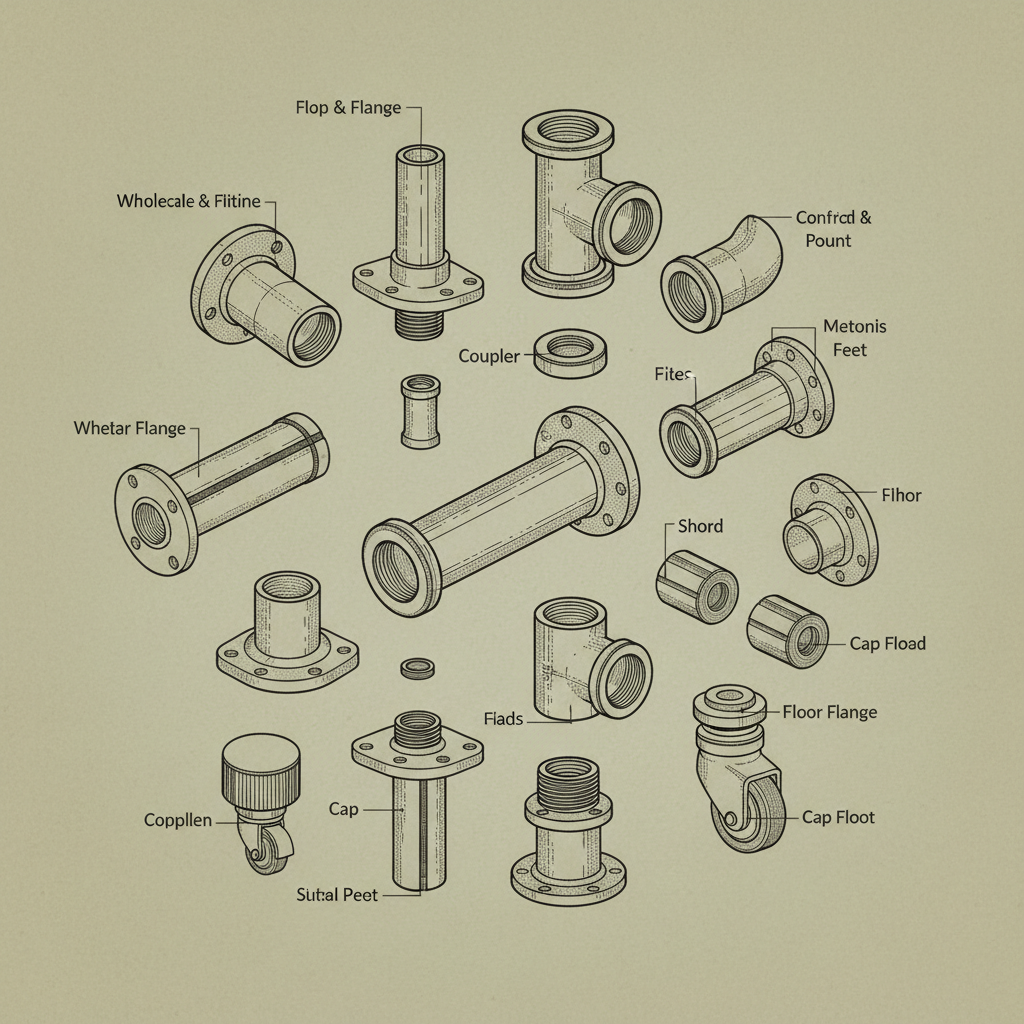
Industry Trends and Design Pitfalls
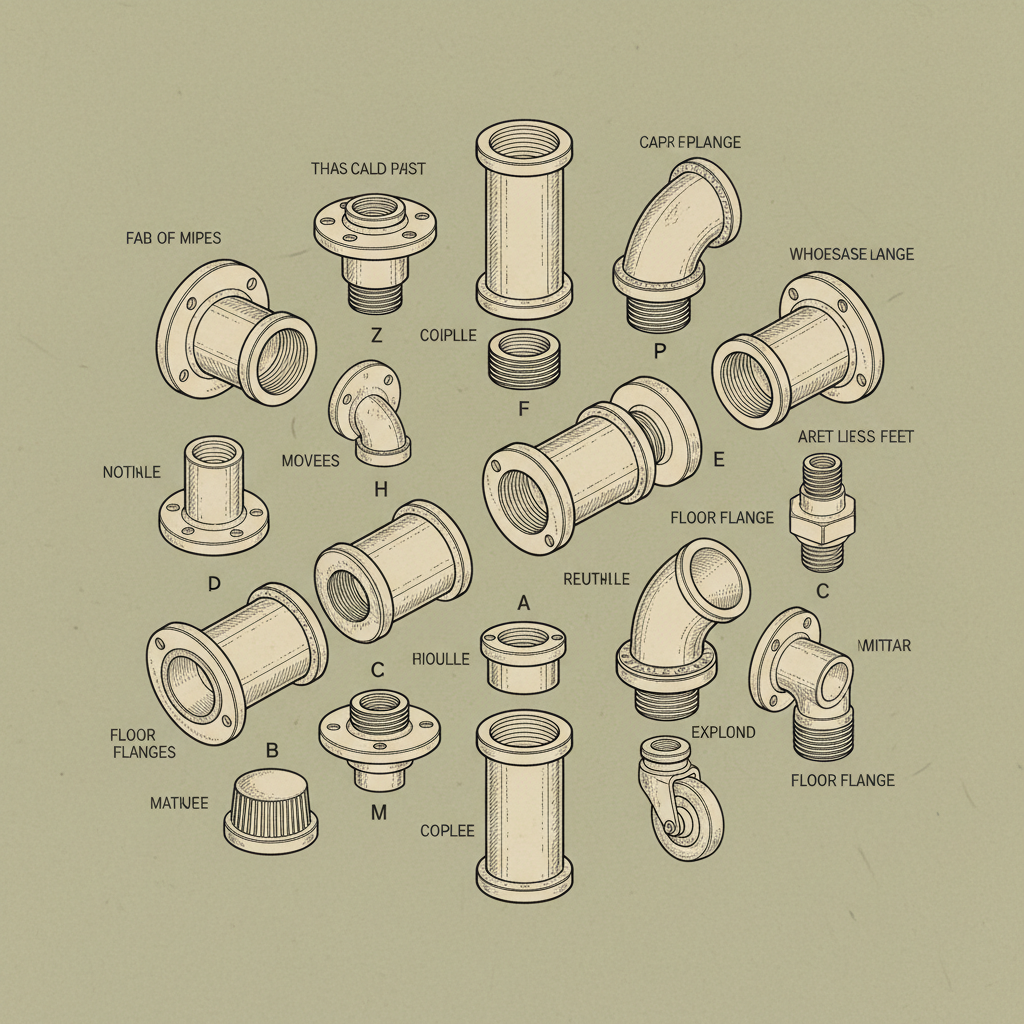
To be honest, the biggest trend right now is speed. Everyone wants everything yesterday. That drives the push for pre-fabricated components and simpler assembly. It's good for margins, I guess. But I've noticed a lot of designs get oversimplified, sacrificing robustness for ease of manufacturing. They'll use thinner gauge steel, or plastic where they should be using metal…things that look okay in the showroom, but won't hold up to a real beating.
Have you noticed how everything is going to adjustable feet these days? It’s a good idea in theory – level out uneven floors – but so many of them are just cheap plastic and strip out after a few adjustments. It’s infuriating. And it's always the ones that are hardest to reach, tucked away under the table, that decide to fail.
FAQS
For coastal environments, you really want something that can handle saltwater corrosion. Stainless steel 316 is your best bet, though it’s pricey. Galvanized steel is okay for a while, but it'll eventually rust. Aluminum is an option, but it’s softer and more prone to damage. Remember to always check the grade of stainless, though - 304 is good, but 316 is much better.
Honestly? Overrated. They look good on paper, but cheap ones fail constantly. If you need to level a table, shim it. It’s faster, easier, and more reliable. If you do go for adjustable feet, spend the money on a good quality set with a durable thread and a solid base. Otherwise, you'll be replacing them every other week.
You can, but you need a TIG welder and a good bit of skill. Aluminum is trickier to weld than steel. It requires a cleaner surface, more precise heat control, and a shielding gas. If you’re not experienced, you're likely to end up with a weak, porous weld. It's often better to hire a professional.
Underestimating the weight capacity. People see a nice-looking leg and assume it can handle anything. But if you're putting a heavy tabletop on it, you need to make sure the legs are strong enough. Always check the manufacturer's specifications and err on the side of caution. Better safe than sorry.
Galvanized steel is pretty good at resisting rust, but it's not invincible. If the zinc coating gets scratched or damaged, rust can start to form. To prevent this, avoid using abrasive cleaners or tools. You can also apply a protective coating, like a clear lacquer or wax. And if you live in a coastal area, regular cleaning with fresh water is a good idea.
That depends on the tabletop material and the leg design. For wood, screws are usually sufficient. For heavier tabletops, you might want to use metal plates and bolts. Make sure the screws or bolts are the right length and diameter, and that they're properly tightened. A wobbly connection is a recipe for disaster. Always pre-drill holes to avoid splitting the wood!
Conclusion
Ultimately, whether these wholesale pipes furniture table legs feet parts work or not, comes down to a few simple things: good materials, solid construction, and a bit of common sense. Lab tests and fancy designs are all well and good, but they don’t beat real-world experience. It’s about understanding how things will be used, and building them to withstand that abuse.
And honestly, at the end of the day, the worker will know the moment he tightens the screw if it’s going to hold. It's a gut feeling, a physical connection. Don't underestimate that. Visit our website at wholesale pipes furniture table legs feet parts to explore our range of quality components.
-
High Quality Durable wholesale 3/4 black cast iron outlet tee
WartaSep.29,2026
-
High Quality Wholesale Side Outlet Tee Black Malleable Iron Fittings
WartaSep.18,2026
-
High Quality Industrial Wholesale Two Socket Cross Key Clamp
WartaSep.14,2026
-
High Quality Wholesale Galvanized Cast Iron Elbow Fittings
WartaSep.05,2026
-
High Quality wholesale malleable nipple for Industrial Piping
WartaSep.01,2026
-
Buy Premium Wholesale Industrial Black Iron Pipe Fittings Online
WartaAug.28,2026


 Afrikaans
 Albanian
 Amharic
 Arabic
 Armenian
 Azerbaijani
 Basque
 Belarusian
 Bengali
 Bosnian
 Bulgarian
 Catalan
 Cebuano
 Croatian
 Czech
 Danish
 Dutch
 English Esperanto
 Estonian
 Finnish
 French
 Frisian
 Galician
 Georgian
 German
 Greek
 Gujarati
 Hebrew
 Hindi
 Hungarian
 Icelandic
 Indonesian
 Italian
 Japanese
 Kannada
 Kazakh
 Khmer
 Korean
 Kurdish
 Lao
 Latvian
 Lithuanian
 Macedonian
 Malay
 Malayalam
 Marathi
 Mongolian
 Myanmar
 Nepali
 Norwegian
 Pashto
 Persian
 Polish
 Portuguese
 Panjabi
 Romanian
 Russian
 Scottish Gaelic
 Serbian
 Sinhala
 Slovak
 Slovenian
 Spanish
 Swahili
 Swedish
 Tagalog
 Tamil
 Tatar
 Telugu
 Thai
 Turkish
 Ukrainian
 Urdu
 Uighur
 Uzbek
 Vietnamese
 Welsh